
Being a black woman can be quite a phenomenon

Being a black woman can be quite a phenomenon.. the kind of ‘endangered species’ phenomenon.
One moment we go ‘black lives matter!.. black lives matter’. The next we hear or read of our kind being found raped and murdered. Then it’s like.. women’s lives matter too!!
And then we are hurt, angry, sad and terrified. We don’t know what to do. Then we are moved to be part of every action/march/protest against GBVF (Gender based violence and femicide) that there is.. but then we realise these actions do not translate to change or less cases of GBVF. But we do get the needed feeling of having done something and being in solidarity- we are angry together.. we are triggered differently but together.. we cry together.. we voice our concerns together.. we put forward how these can be addressed, together.
When I think of the amount of work that needs to be done to get ourselves out of this GBVF horror or at least deal with it, I become exasperated.. because I don’t even know where we would begin.
It’s as if we need an army of psychosocial healers. One group to work with the adults/parents and the other to work with the young. Changing gender and power norms.. learning new ways of being – new ways of thinking and behaving. Learning takes time ke.
If GBV is about power.. then what empowers the man such that he doesn’t need to violently assert or exercise power on the woman and or child?
If perpetrators of GBVF are inflicting the same abuse and hurt they experienced. Do we need a massive drive of training Counsellors/Social Workers and Psychologists such that long-term counselling is readily accessible to everyone? For all of us to have healing spaces.
If these will take too long while women and children die.. what can be done immediately? So these crimes take place in our communities by people we know.. so we don’t keep quiet or witness and not collectively take action. When these have been reported the laws and law enforcement have to assist us.
This still sounds theoretical.. and has been said with many other great and actionable solutions.. yet GBVF cases are as, if not more, horrendous. Inoba siseza kufa thina kumane kusothukwa.. and simane sitoyi-toya. (We continue to die whilst the nation continues to be shocked and we also continue with our protests…)
When we experience collective trauma, we often feel helpless and alone. And the need to want to at the same time fight, fight for those who experience injustice and fight for the rights we have as humans. Collective trauma however, can motivate us too, it can encourage us to collectively take action by supporting those around us and engaging in those difficult conversations. In doing so, we will come to find that we are resilient.
If someone you know has been raped and is going through a challenging time, they will be feeling a range of emotions. And you might be feeling this too. We offer a 24 hour helpline in three languages and a WhatsApp line for text messages. For more information about our other services offered to survivors of sexual violence visit www.rapecrisis.org.za
If you can’t speak to anyone, speak to us.
isiXhosa: 021 361 9085
Afrikaans: 021 633 9229
English: 021 447 9762
WhatsApp: 083 222 5164
Email: communications@rapecrisis.org.za
Written by Neliswa Tshazi and Co-Authored by Zeenat Hendricks
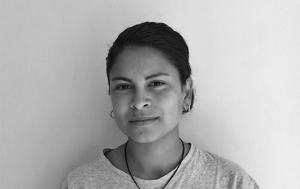
Zeenat Hendricks is the Communications Coordinator for Rape Crisis. She prefers staying behind the scenes but has been exploring co-creation within the organisation and has been feeling motivated to start sharing the results of collaboration across teams.

Neliswa Tshazi qualified as a social worker at UCT. You can find her at Rape Crisis supporting and empowering survivors of gender-based violence. Follow her on Twitter.


